
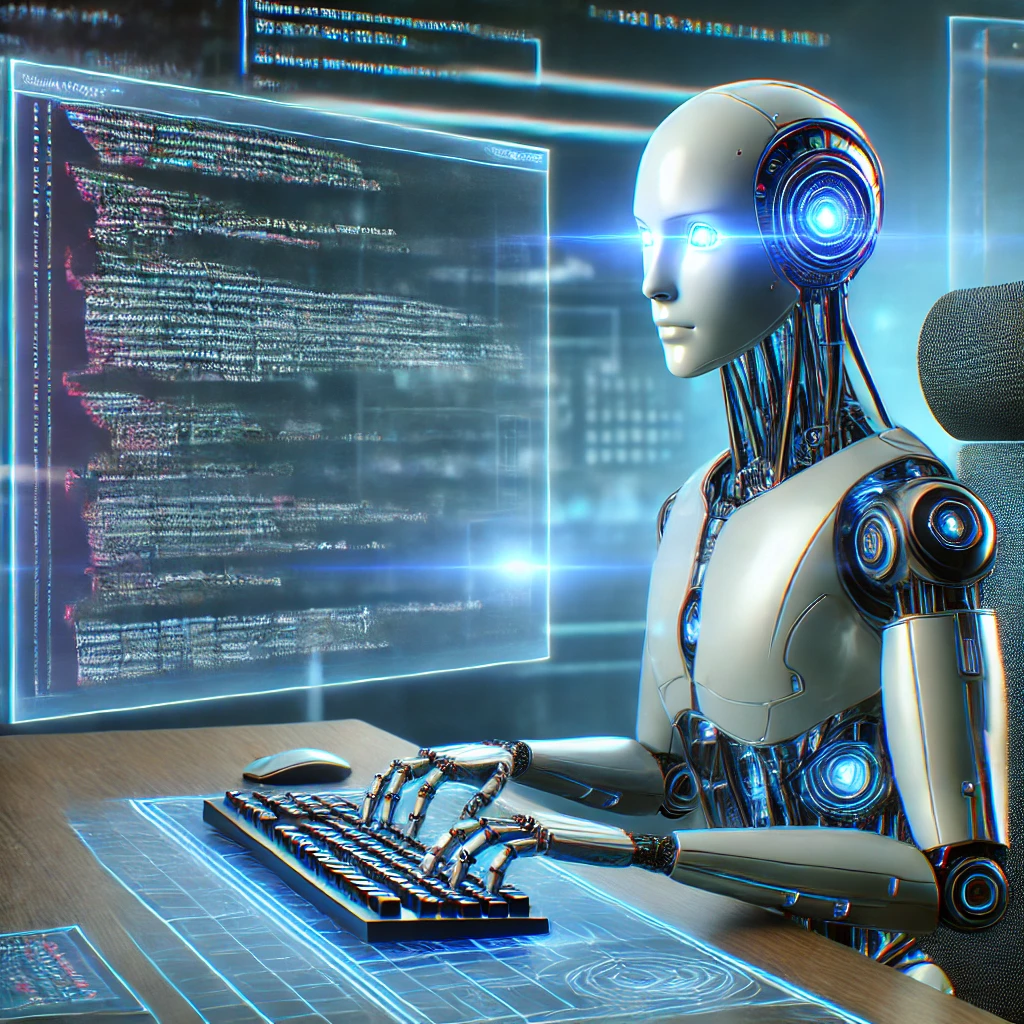
Less than a year ago, artificial intelligence was something most people barely noticed. It was misheard, misunderstood, or just ignored. A cabinet official called it “A1,” like the steak sauce. That sounds like a joke now, but it wasn’t. It was a snapshot of where we actually were.
A Sudden Shift in Awareness
And then, almost all at once, that changed.
Today, ask a middle school student how they do homework and AI is a common answer. Not as some novelty. Just something they use. Like a calculator, or Google used to be. The shift is not subtle. It happened fast, and it is still happening.
Then you start seeing things that would have sounded impossible not long ago.
From Prediction to Reality
A new film, As Deep as the Grave, features Val Kilmer in a major role. His likeness. His voice. Recreated with generative AI. And it is not being treated as a gimmick. It is being done with care, and with respect. That matters. This is not about replacing people. It is about extending presence. A year ago, this was something people talked about (we did). Now it is something people are doing.
And that is just the visible part.
Underneath, AI is quietly changing how we think.
AI Is Changing How We Think
Search used to mean work. You clicked links. You compared sources. You pieced things together. Now you ask, and you get an answer. That is faster, obviously. But it is also different. We are not just outsourcing effort. We are starting to outsource parts of thinking. Not completely. Not yet. But enough to notice.
AI Is Changing How We Think
At the same time, AI has moved into real work.
It writes. It codes. It summarizes. It drafts things you would have spent hours on before. It is not perfect, and anyone who uses it knows that. But it is good enough, often enough, that it changes behavior. That is the threshold that matters. Once something is good enough, it gets used. And once it gets used, it spreads.
A Subtle Economic Signal
All of this is happening alongside a strange economic signal. Job growth, recently, has been flat. Not collapsing. Not booming. Just… still. It is too early to connect dots in a definitive way. But it is hard not to notice the overlap. Productivity is rising in new ways. The shape of work is shifting, even if the headlines have not fully caught up.
The Creative Explosion
And then there is creativity.
This may be the biggest shift of all. A single prompt can turn into a paragraph, an image, a piece of music, even a short video. Sometimes it works on the first try. Sometimes it takes a few passes. But the barrier is gone. That is the real change. You do not need a studio, or a team, or even much training. You need an idea. You can see examples of this on our What is Real or contest page. One idea, multiple outputs. That used to be hard. Now it is normal.
This Didn’t Start Yesterday
It is tempting to think this all came out of nowhere. It didn’t.
The roots go back to Alan Turing asking a simple question. Can machines think. From there, decades of work followed. People like Ray Kurzweil pushed speech and pattern recognition forward. Systems like Dragon NaturallySpeaking, built through companies like Nuance Communications, brought voice into everyday use long before today’s models existed.
At Nadaware, we were working with voice in the 90s. That did not feel like a revolution at the time. It felt incremental. Looking back, it was part of the same arc. What feels sudden now has actually been building for a long time.
A Necessary Caution
So where does that leave us.
AI is powerful. It is useful. And it is becoming normal faster than most people expected.
That is the good news.
The other part is just as important.
Be aware. AI is powerful. Used recklessly, it can mislead. Responsible creators make it clear what is AI, and what is not. That line is not optional.